Learn About how Express Lube & Car Care offers fast solutions for your car
A Comprehensive Consider Automobile Service: The Essential Duty of Oil Adjustment and Routine Auto Maintenance
Car service is vital for keeping car performance and durability. Routine oil modifications play a vital role in stopping engine wear and pricey repair services. In addition, regular upkeep expands past just oil, incorporating various checks that boost safety and security and efficiency. Recognizing the subtleties of these services can bring about significant economic advantages. What elements should vehicle owners think about to ensure their car continues to be in peak problem? The answers may shock both experienced vehicle drivers and brand-new automobile proprietors alike.
The Significance of Routine Oil Modifications
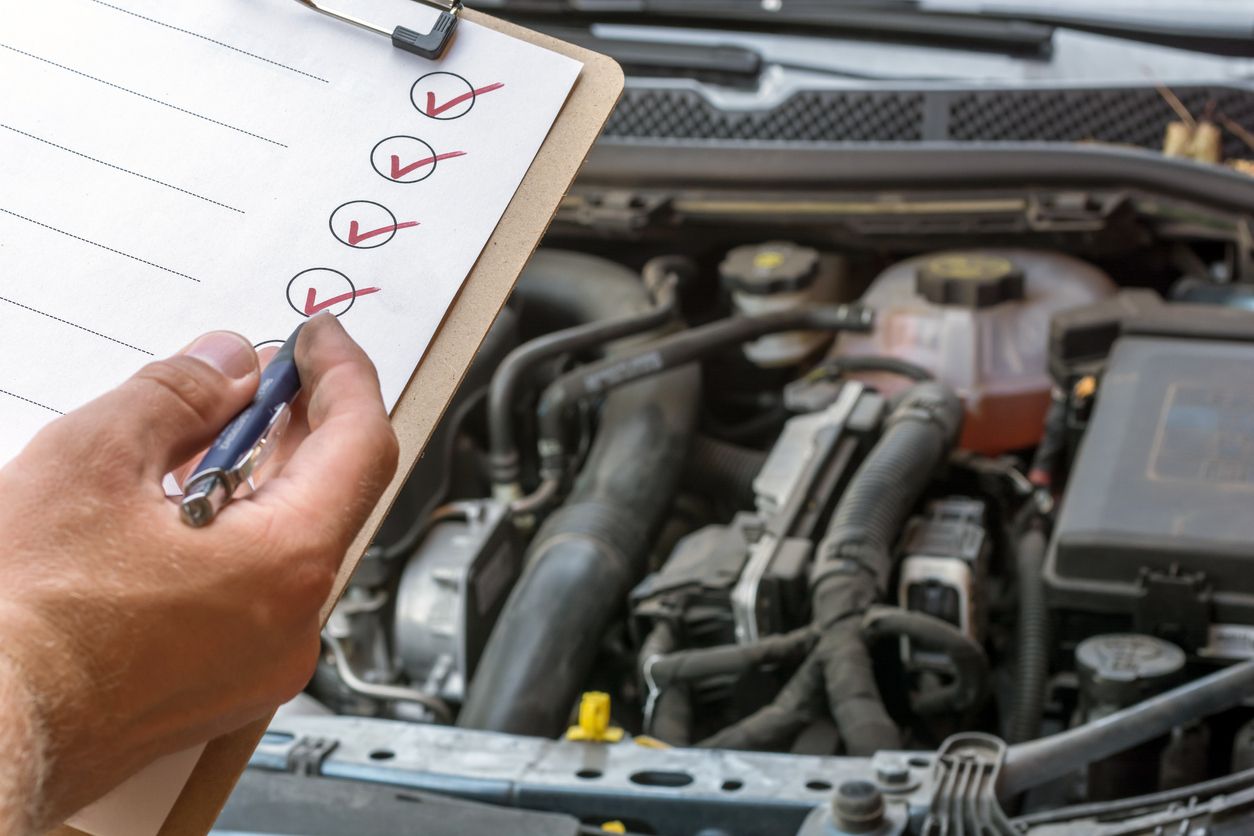
Exactly how important are normal oil changes to the longevity of a vehicle? Normal oil changes play a crucial duty in maintaining a car's total health. Engine oil lubricates relocating parts, lowers rubbing, and aids dissipate heat. With time, oil degrades and gathers impurities, which can cause increased deterioration on engine parts. If ignored, old oil can cause sludge accumulation, adversely influencing the engine's performance and possibly causing pricey repairs. Most suppliers advise oil adjustments every 3,000 to 7,500 miles, relying on the car and oil type. Following this schedule not only improves engine effectiveness but additionally expands the lifespan of the car, making sure trustworthy efficiency and minimizing the threat of break downs in the long run.
Just How Oil Quality Influences Engine Efficiency
Oil quality plays a crucial duty in figuring out engine performance, as its thickness greatly influences lubrication effectiveness. In addition, the visibility of additives can boost engine security versus damage, adding to overall longevity. Routine oil modifications are crucial to preserve ideal performance, making certain that the engine operates efficiently and successfully.
Oil Viscosity Significance
While many elements influence engine efficiency, the thickness of engine oil plays an essential duty in making certain ideal functionality. Viscosity refers to the density of the oil, impacting its ability to lube and stream engine elements effectively. Oils with appropriate viscosity preserve a stable film in between moving parts, decreasing rubbing and wear. If the thickness is also reduced, oil might not supply ample lubrication, leading to boosted engine wear and prospective damage. On the other hand, excessively thick oil can prevent flow, especially in chillier temperature levels, leading to insufficient engine defense during startup. Picking the proper oil thickness, as suggested by the maker, is crucial for maximizing engine efficiency and durability, consequently enhancing total automobile reliability.
Ingredients and Engine Protection
Although engine oil thickness is essential, the high quality of the oil itself, including its ingredients, considerably influences engine efficiency and security. Ingredients such as detergents, dispersants, and anti-wear agents boost the oil's capability to minimize engine wear, minimize sludge buildup, and preserve sanitation. These chemicals function synergistically to provide a protective obstacle versus rubbing and rust, guaranteeing the engine operates efficiently and effectively. Premium oils often have innovative ingredients that improve thermal stability and oxidation resistance, adding to longer engine life. Furthermore, the best ingredients can enhance gas economy and minimize exhausts, aligning with environmental criteria. Picking oil with exceptional additive formulations is important for maintaining total engine wellness and efficiency.
Regular Modification Intervals
Normal oil modifications are necessary for keeping peak engine efficiency, as the quality of the oil straight affects engine performance and durability. Gradually, motor oil degrades due to heat, contaminants, and chemical break down, losing its ability to lube effectively. This destruction can cause raised rubbing and wear, resulting in reduced engine performance and possible damage. Abiding by suggested modification intervals ensures that the engine operates smoothly and efficiently. Top quality oils typically include additives that enhance efficiency, reducing sludge build-up and shielding essential engine parts. Normal oil adjustments not just prolong engine life but additionally enhance fuel performance, inevitably contributing to lower operational prices and a much more dependable vehicle.
Indicators That Your Automobile Needs an Oil Adjustment
A boost in engine sound can be a clear indication that a car schedules for an oil modification - auto repair near me. Additionally, the activation of the oil caution light on the control panel functions as a critical alert for drivers. Identifying these indications promptly can help keep perfect engine wellness
Engine Noise Rise
Engine noise can act as an essential indication of a car's total health, especially when it involves oil maintenance. An obvious boost in engine sound often recommends that the engine oil has degraded, shedding its ability to lube necessary components properly. As oil ages, it can come to be infected with dirt and debris, bring about increased friction and, as a result, even more noise. Vehicle drivers may hear knocking, touching, or grinding audios, which are indicators of inadequate lubrication. Neglecting these adjustments can lead to additional mechanical concerns and costly repairs. Routine oil adjustments are important to maintaining perfect engine efficiency and lessening sound, making certain that the vehicle runs efficiently and efficiently. Identifying these acoustic signs can aid avoid much more extreme damages.
Oil Caution Light
The oil warning light serves as an important alert for automobile owners, showing that it might be time for an oil adjustment - car repair shop. When this light brightens on the control panel, it signifies that oil degrees are reduced or the oil high quality has weakened. Overlooking this caution can cause extreme engine damages, as oil lubes and safeguards engine parts. Furthermore, other signs might go along with the oil warning light, such as uncommon engine noises or a burning smell. Routinely examining the oil level and quality can aid protect against these indicators from developing. Lorry owners need japanese auto repair to focus on resolving the oil warning light promptly, making certain the durability and efficiency of their engine via prompt oil changes and routine upkeep
Routine Maintenance Beyond Oil Adjustments
While lots of vehicle proprietors focus mostly on oil changes, routine upkeep encompasses a wider array of vital solutions that ensure peak lorry efficiency and longevity. Regular inspections of brakes, tires, and fluid degrees are critical for risk-free procedure. Tire rotation and positioning aid maintain even wear, improving explanation both safety and security and fuel effectiveness. In addition, changing and examining air filters guarantees suitable engine performance and air top quality within the cabin. Battery checks can stop unanticipated breakdowns, while routine wiper blade replacements enhance visibility during damaging weather. Following the maker's preferred service schedule is vital for maintaining service warranty insurance coverage and making certain that vehicles stay reliable over time. By accepting substantial upkeep, auto proprietors can considerably expand the lifespan of their vehicles and enhance overall driving experiences.
The Financial Advantages of Preventive Car Service
Precautionary car service not just improves automobile performance however likewise provides significant financial advantages. Normal upkeep, such as oil changes and tire turnings, can avoid expensive repair services down the line. By addressing small concerns before they intensify, automobile proprietors can save cash on substantial repair work that can occur from disregarding regular care. Additionally, properly maintained lorries often tend to have much better fuel performance, minimizing overall gas expenses. Preventive solution also aids preserve a higher resale worth, as prospective customers usually seek vehicles with a recorded service history. Ultimately, buying preventive vehicle solution can result in significant cost savings, making it a wise economic decision for lorry owners looking to shield their financial investment and assurance lasting dependability.
Tips for Locating a Trustworthy Car Service Supplier

Finding a trusted auto provider is important for maintaining car performance and long life. To start, individuals must seek recommendations from pals, family, or on the internet testimonials to gauge the quality of service used. It is vital to check for accreditations and associations with identified automotive companies, as this shows professionalism and reliability and adherence to market criteria. Furthermore, prospective clients ought to ask about warranties for solutions made, which showcases the supplier's self-confidence in this hyperlink their work. Going to the facility beforehand enables a direct analysis of tidiness and company, showing the copyright's dedication to high quality. Clear communication pertaining to rates and solutions is critical; a credible supplier should provide transparent quotes without covert fees. Adhering to these ideas can cause a reliable auto solution experience.
Often Asked Questions
How Usually Should I Inspect My Oil Level In Between Modifications?
It is advisable to examine the oil degree at least once a month or every 1,000 miles in between oil changes. Routine monitoring assists assure optimal engine efficiency and can stop possible problems connected to low oil degrees.
Can I Change Oil Brands Without Issues?
Yes, switching over oil brands is normally appropriate. Nevertheless, it is suggested to confirm compatibility with the car's requirements and to avoid mixing various kinds of oil to maintain peak performance and engine wellness.
What Happens if I Miss an Oil Modification?
Missing an oil modification can cause engine wear, reduced efficiency, and prospective damages. Gradually, old oil loses its efficiency, triggering sludge buildup and insufficient lubrication, ultimately risking costly repairs or engine failure.
Is Artificial Oil Well Worth the Additional Expense?
Synthetic oil is typically worth the extra cost as a result of its premium efficiency, much better engine security, and longer intervals between adjustments - car repair shop. Several professionals agree that these benefits can bring about general cost savings and boosted automobile durability
How Do I Dispose of Made Use Of Oil Correctly?
Used oil should be dealt with at designated recycling facilities, vehicle shops, or contaminated materials facilities. Proper disposal protects against ecological contamination, making sure security and compliance with neighborhood laws relating to hazardous products and waste management.